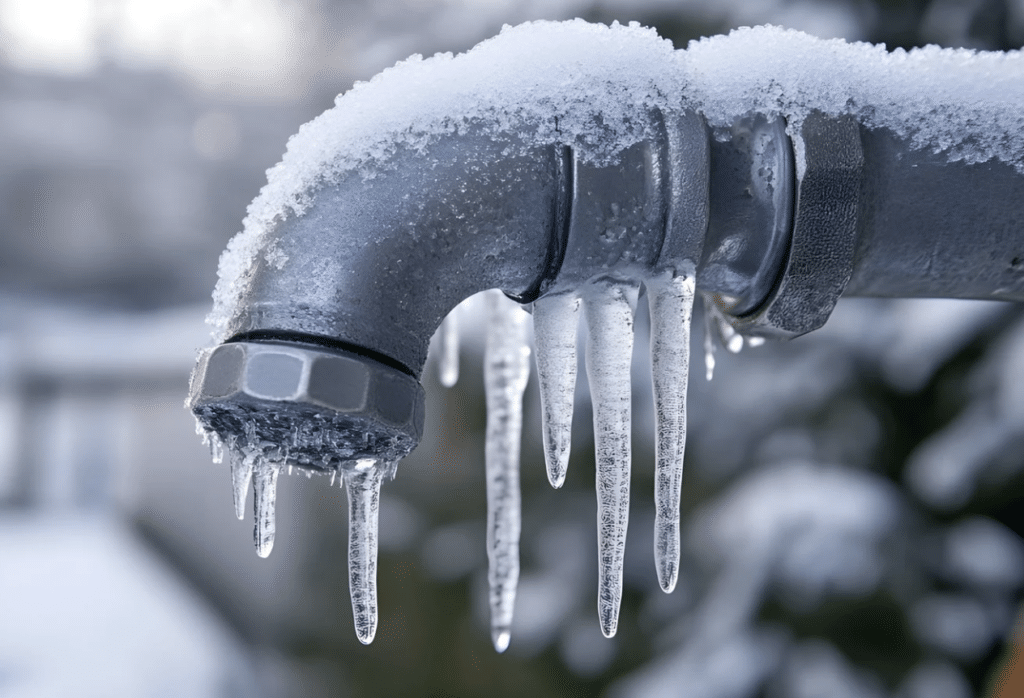
Every fall, Northern Virginia homeowners get the same reminder: winterize plumbing before the first hard freeze, or risk a burst pipe that can cause thousands of dollars in water damage. The good news is that winterizing your home’s plumbing doesn’t require a professional visit for most of it — a handful of straightforward steps, done before temperatures drop, can protect your pipes, water heater, and outdoor fixtures all season. Here’s a complete room-by-room guide to winterizing plumbing in Northern Virginia.
Key Takeaways
- Outdoor faucets, hose bibs, and irrigation systems are the most vulnerable to freezing and should be drained and shut off before the first freeze.
- Insulating exposed pipes in unheated spaces like crawlspaces, garages, and attics prevents the majority of frozen pipe calls.
- Keeping the thermostat at a consistent temperature, even when away, helps protect interior plumbing during a cold snap.
- A water heater flush and inspection before winter helps avoid a mid-season failure.
- Knowing where your main water shutoff valve is located can limit damage if a pipe does freeze and burst.
Why Winterizing Plumbing Matters in Northern Virginia
Northern Virginia’s winters bring frequent freeze-thaw cycles rather than a single sustained cold season, which is often harder on plumbing than a consistently cold climate built for it. Many homes in the region also have pipes running through unheated crawlspaces, garages, or exterior walls that were never heavily insulated. A single hard freeze can turn an unprotected pipe into a burst line and a major water damage claim — a cost that’s almost always higher than the time it takes to winterize in the fall.
How to Winterize Plumbing in Northern Virginia: A Room-by-Room Guide
Outdoors
- Disconnect and drain all garden hoses
- Shut off interior valves to exterior hose bibs and drain the remaining water, or install freeze-proof hose bibs
- Blow out or otherwise winterize any irrigation system before the first freeze
- Add insulated covers to exposed outdoor spigots
Basement, Crawlspace & Garage
- Insulate exposed pipes with foam sleeves, especially near exterior walls, vents, or unheated areas
- Seal gaps and cracks where cold air enters around pipe penetrations
- Consider closing crawlspace vents during the coldest months
Kitchen & Bathrooms
- Know the location of shutoff valves under every sink
- On extremely cold nights, let faucets on exterior-wall plumbing drip slightly to keep water moving
- Open cabinet doors under sinks on exterior walls during a cold snap to let warm air circulate around the pipes
Water Heater
- Flush the tank to clear sediment before heavy winter use
- Check that the pressure relief valve is functioning properly
- Insulate older tanks and any exposed hot water lines running through unheated spaces
Whole-Home
- Keep the thermostat at a consistent temperature day and night, including while traveling for the holidays
- Know where your home’s main water shutoff valve is located
- Consider a leak detection system for early warning if a pipe does develop a problem while you’re away
When to Call a Plumber Before Winter
If your home has aging or original hose bibs, exposed piping you’re not able to insulate yourself, or you’re simply unsure where your shutoffs are located, it’s worth having a professional take a look before the first freeze. Replacing standard exterior fixtures with freeze-proof hose bibs is a straightforward upgrade that removes one of the most common sources of winter plumbing emergencies.
What to Do If a Pipe Freezes Anyway
If you suspect a pipe has frozen, shut off the water at the main valve if you notice any signs of a break, and open the nearest faucet to relieve pressure in the line. Apply gentle heat with a hair dryer or heat tape — never an open flame, which is a fire hazard around plumbing. If water doesn’t return after a reasonable effort, or you notice bulging, cracking, or active leaking, call a plumber immediately rather than continuing to work on it yourself.
What to Expect When You Call Home Service Pros
Home Service Pros provides free in-home assessments to identify vulnerable plumbing before winter hits, with no diagnostic fee. Our Master-licensed plumbers can install freeze-proof hose bibs, insulate exposed piping, and flush your water heater ahead of the cold season — available seven days a week, with no credit card surcharge. For broader home winter readiness beyond plumbing, the Ready.gov winter weather preparedness guide covers additional steps worth taking before the season’s first freeze.
FAQ
At what temperature do pipes typically freeze?
Pipes are generally at risk once outdoor temperatures drop into the low 20s Fahrenheit or below, especially in pipes running through unheated or poorly insulated spaces.
Should I let my faucets drip during a cold snap?
Yes, for faucets connected to pipes on exterior walls — a slow, steady drip keeps water moving and reduces the chance of a freeze.
How much does it cost to winterize plumbing?
Most steps, like draining hoses and insulating pipes, cost very little in time or materials. Professional upgrades like freeze-proof hose bibs or pipe insulation in hard-to-reach areas vary by home, and a free assessment can give you an exact cost.
If you’d like a professional set of eyes on your home’s plumbing before the cold hits, call Home Service Pros at 703-810-0000 for a free in-home assessment, available seven days a week across Northern Virginia.

