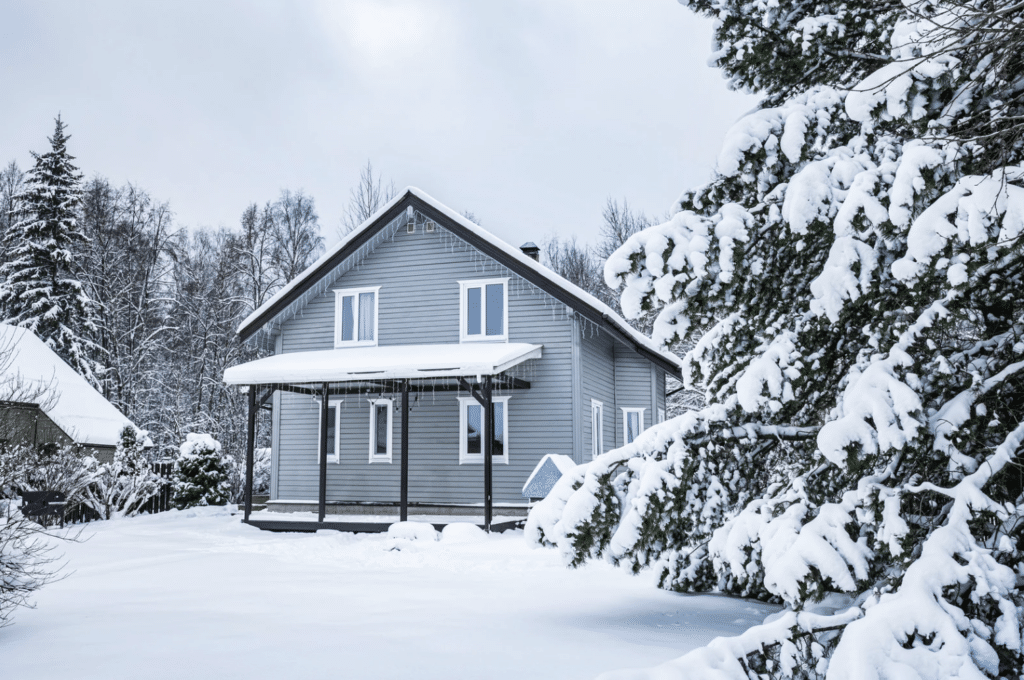
McLean and Great Falls see some of Northern Virginia’s coldest overnight temperatures each winter, thanks to their more wooded, exposed properties compared to denser parts of the region. Frozen pipe prevention in McLean, VA is especially important for homes with long driveways, detached garages, or older additions where plumbing runs through spaces that aren’t consistently heated. Here’s what actually works to keep pipes from freezing — and what to do if one does.
Key Takeaways
- Pipes in unheated spaces — crawlspaces, garages, attics, exterior walls — are the most likely to freeze.
- Consistent indoor temperature, even overnight and while away, is one of the most effective prevention steps.
- Insulating exposed pipes and sealing air leaks addresses the root cause, not just the symptom.
- A pipe that’s already frozen needs careful, gradual thawing — never an open flame.
- Homes with detached structures or additions in McLean and Great Falls are at higher risk and may benefit from a professional assessment.
Frozen Pipe Prevention in McLean, VA: Where the Risk Is Highest
Larger, more wooded properties throughout McLean and Great Falls often mean longer runs of outdoor plumbing — irrigation lines, detached garages, pool houses, and guest structures set apart from the main house. Many of these homes also include additions or renovated spaces where plumbing may run through exterior walls or crawlspaces without the same insulation as the original structure. The combination of exposed outdoor lines and less-insulated additions is what makes these two communities more prone to frozen pipes than more densely built neighborhoods closer to D.C.
Prevention Steps That Actually Work
- Keep the thermostat at a consistent temperature day and night, and while traveling
- Insulate exposed pipes in crawlspaces, garages, and attics
- Seal drafts around pipe penetrations in exterior walls and foundations
- Disconnect hoses and drain and shut off exterior spigots before the first freeze
- Let faucets on exterior-wall plumbing drip slightly on the coldest nights
What to Do If a Pipe Freezes
Shut off the main water valve if you notice any signs of a break, and open the nearest faucet to relieve pressure in the line. Apply gentle heat — a hair dryer, heat tape, or warm towels — and avoid any open flame near plumbing. If water doesn’t return, or you see bulging, cracking, or active leaking, call a plumber right away. This guide to preventing and thawing frozen pipes offers additional detail on safely handling a pipe that’s already frozen.
What to Expect When You Call Home Service Pros
Home Service Pros offers free assessments to identify the most vulnerable areas of your McLean or Great Falls home — exposed piping, outdoor fixtures, and additions that may need extra insulation. If a pipe has already frozen or burst, our Master-licensed plumbers provide emergency plumbing repair, and a leak detection assessment can catch a developing problem before it causes real damage. Estimates are always free, with no diagnostic fee and no credit card surcharge.
FAQ
How cold does it need to be for pipes to freeze?
Risk typically increases once temperatures drop into the low 20s Fahrenheit or below, particularly for pipes in unheated or poorly insulated spaces.
Is dripping a faucet really effective?
Yes — keeping water moving through the pipe, even at a slow drip, reduces the pressure buildup that leads to a freeze and burst.
What if I’m away from home during a freeze?
Keep the thermostat set no lower than it would be if you were home, and consider a leak detection system that can alert you to a problem remotely.
If you’d like help preparing your McLean or Great Falls home for winter, call Home Service Pros at 703-810-0000 for a free assessment, available seven days a week.

